How to Choose the Right Quad Bike for Desert Riding in Dubai
Choosing the right quad bike for desert riding in Dubai is less about picking the biggest machine and more about matching the ride to your experience, the terrain and the way you plan to use it. Sand changes under the wheels from moment to moment. A bike that feels manageable on firm ground can become tiring in soft dunes, while a smaller quad may feel steady at first but struggle when the terrain opens out. The best choice comes from working through a few practical decisions in the right order.
Start with the rider, not the machine
Begin by being honest about the experience of the person who will ride. Quad biking dubai is often pictured as fast and fearless, but good control matters far more than speed. A beginner needs a bike that responds smoothly, has predictable braking and does not demand constant correction. Someone with desert experience may be comfortable with more power, but even then, power is only useful when it can be controlled in sand.
Body size and confidence also matter. A rider should be able to sit with both feet planted, reach the controls without stretching and shift weight easily. If the quad feels too large at a standstill, it will feel worse when the ground slopes or the front wheels climb a dune face. Check the quad bike weight capacity before committing, since luggage, riding gear and extra equipment all count. A bike carrying more weight than it was meant for will turn, brake and climb differently.
Think about who else may ride. If the same bike will be shared by people of different heights or skill levels, choose something with a broad, forgiving setup rather than a sharp, specialised one. Shared machines are often used less carefully, so simple controls and clear layout matter.
Decide where the bike will be used
Desert terrain varies widely. Hard-packed tracks, loose sand, rocky edges and dune slopes all ask for different things. Before choosing, picture the usual route. Open desert quad biking trails favour stability, fuel range and a suspension setup that stays composed over uneven ground. Tighter areas call for lighter steering and slower, more precise response.
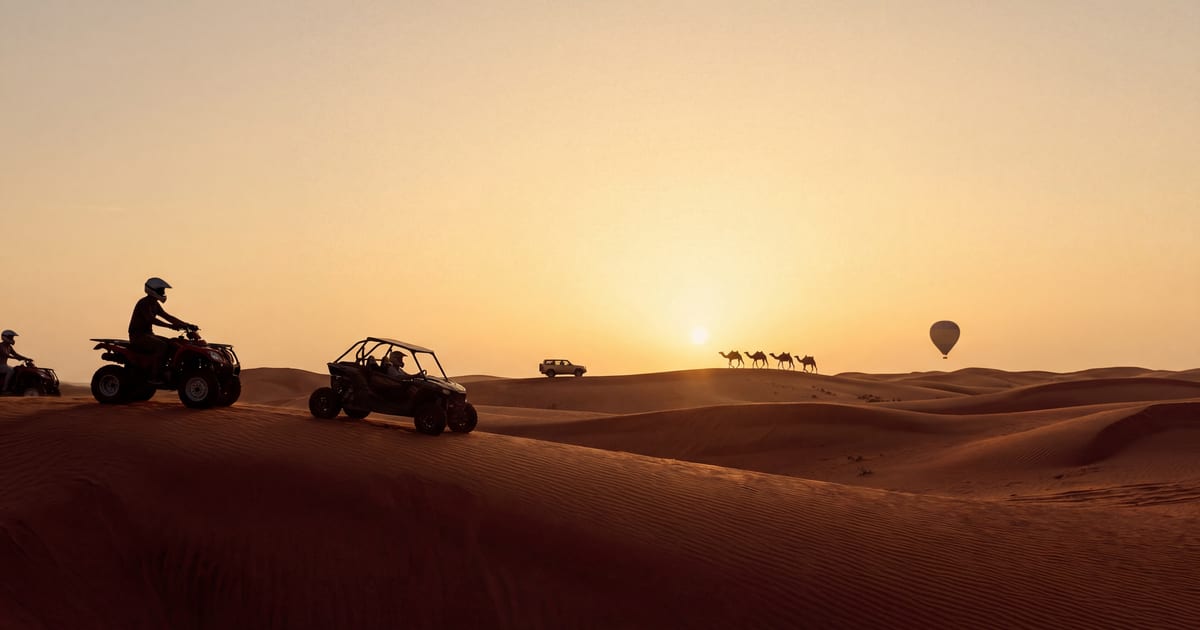
Soft sand is the real test. It increases rolling resistance and makes the bike feel heavy. This is where desert quad bike handling becomes more important than headline power. A good setup lets the rider keep momentum without forcing the front wheels into the sand. If the route includes dunes, pay close attention to how the bike tracks when crossing a slope rather than only how it accelerates in a straight line.
Heat is another practical factor. Long rides in warm conditions place strain on both rider and machine. A rider who plans short sessions near base may not need the same endurance focus as someone covering longer desert routes. Match the bike to the day you expect, not the day you dream about.
Compare engine size with control
Engine size is usually the first number people compare, but it should not be the only one. Bigger engines can make light work of sand and climbs, yet they also react faster to throttle input. For a newer rider, that can lead to sudden wheel spin, arm fatigue and poor decisions. A smaller engine with smooth delivery can be easier to manage and more enjoyable while skills develop.
When comparing options, ask how the throttle feels through its full range. Quad bike throttle control should allow gentle movement at low speed, not just strong pull at the top end. In dunes, the ability to feed power in gradually is often more useful than a burst of acceleration. On downslopes, controlled engine braking and steady steering help the bike stay settled.
Transmission choice also shapes the ride. Automatic setups are simpler for many riders, especially those new to quads. Manual or semi automatic setups can give more control to riders who understand gear selection, but they add another skill to manage. The right pick depends on whether the rider wants fewer decisions or more involvement.
Check the chassis, suspension and tyres
Once the engine choice is narrowed, look at the parts that decide how the bike behaves. Suspension travel, ground clearance and frame geometry all affect comfort and control. Desert riding punishes stiff setups. A quad that skips across ripples may feel quick at first, but it becomes tiring and harder to steer. A more composed bike lets the rider focus on the route ahead.
Quad bike tyres deserve close attention. Tread pattern, tyre pressure and tyre condition change how the bike grips loose sand. A tyre that is too wide for the rider's purpose may float in soft sand but feel vague on firmer tracks. A narrow or worn tyre may dig in more easily. Check for uneven wear, cuts and sidewall damage, because desert heat and rough ground can expose weaknesses quickly.
Braking should feel steady and predictable. A quad bike braking system that pulls to one side or needs excessive lever travel is not a small issue. Sand already increases stopping distance, so the brakes need to inspire confidence before the ride begins. Any grinding, looseness or inconsistent response should be treated as a reason to pause and have the machine checked by a qualified professional.
Match safety gear to the terrain
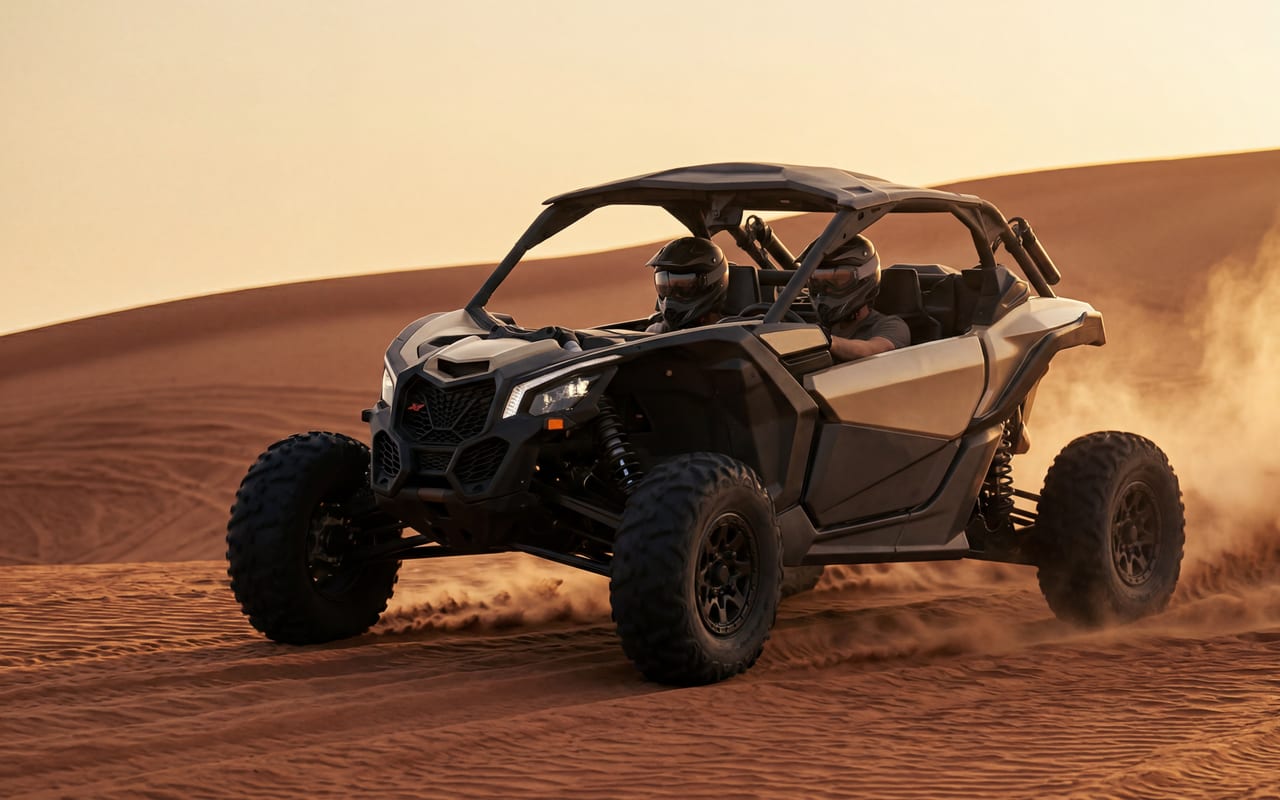
Safety gear is part of the decision, not an afterthought. Helmet requirements should be taken seriously for every rider, including short rides. A properly fitted helmet should sit level, stay firm without pressure points and keep the chin strap snug. Gloves protect the hands from vibration and brush. Eye protection matters in sandy conditions, where dust can affect vision at the worst moment.
Clothing should allow movement while covering the legs and arms. Loose straps, dangling scarves and torn fabric can catch on branches or controls. Boots with good grip help the rider brace and shift weight, but they should still allow the foot to move freely on the footrest.
Before heading out, set a clear riding style. Keep a safe distance from other riders, avoid sudden turns at speed and cross slopes with care. Sand dune riding techniques rely on smooth inputs and early decisions. Looking ahead gives the rider time to choose a line instead of reacting late. If the group includes mixed abilities, plan routes that let slower riders stay comfortable rather than forcing everyone into the same pace.
Check practical fit before committing
A quad can look suitable on paper and still feel wrong in person. If a demonstration or viewing is possible, use it to check the basics. Sit on the bike with your usual riding gear. Place both feet on the ground, reach the handlebars and operate the controls slowly. Notice whether the seat supports you or encourages sliding. On sand, a rider who slides forward constantly has to fight the bike instead of guiding it.
Pay attention to the machine's overall condition. Look for loose fittings, damaged cables, cracked plastic, leaking fluid or uneven tyre wear. These signs may point to poor upkeep or hard use. A clean appearance alone is not enough. Mechanical issues involving brakes, steering or the engine should be assessed by a qualified professional rather than treated as a simple adjustment.
Online research can help narrow the field. Some riders compare general riding information through resources such as the ATV Dubai Desert official site, then use that context to ask better questions before choosing. Names can be useful reference points too, and the ATV Dubai Desert official site may appear in that early research. The final decision should still rest on fit, condition and the rider's ability.
Ask the right questions before choosing
Before making a final choice, write down the questions that affect safety and suitability. The answers should be specific enough to guide the decision. Vague responses about power or performance are less useful than clear details about maintenance, controls and intended use.
- Is the bike suited to the rider's height, weight and experience?
- Has the quad been maintained, and are records available?
- Do the brakes, steering and throttle feel consistent?
- Are the tyres suitable for the sand conditions expected?
- What safety gear is required for the ride?
Listen for confidence mixed with honesty. A good answer should include limits as well as strengths. No quad is perfect for every rider or every patch of desert. The right choice is the one that keeps control within reach, even when the ground changes and the pace slows.
Make the final decision with a calm test
The last step is to test the choice in a controlled way. Begin on level ground, get used to the throttle and braking, then move gently toward uneven sand. Keep the first session short enough to stay focused. If the bike feels heavy, twitchy or tiring early, take that as useful information rather than a challenge to overcome.
A well chosen quad should make the rider feel settled, not merely excited. It should respond cleanly, carry the needed weight and suit the terrain without demanding more skill than the rider has. When those pieces line up, quad biking in Dubai becomes far easier to enjoy, whether the plan is a gentle desert route or a more demanding day on the dunes.